

The Czech lands have played a significant role in the development of sugar technology. Building on this legacy, we continue to develop and apply engineering solutions for modern sugar production.
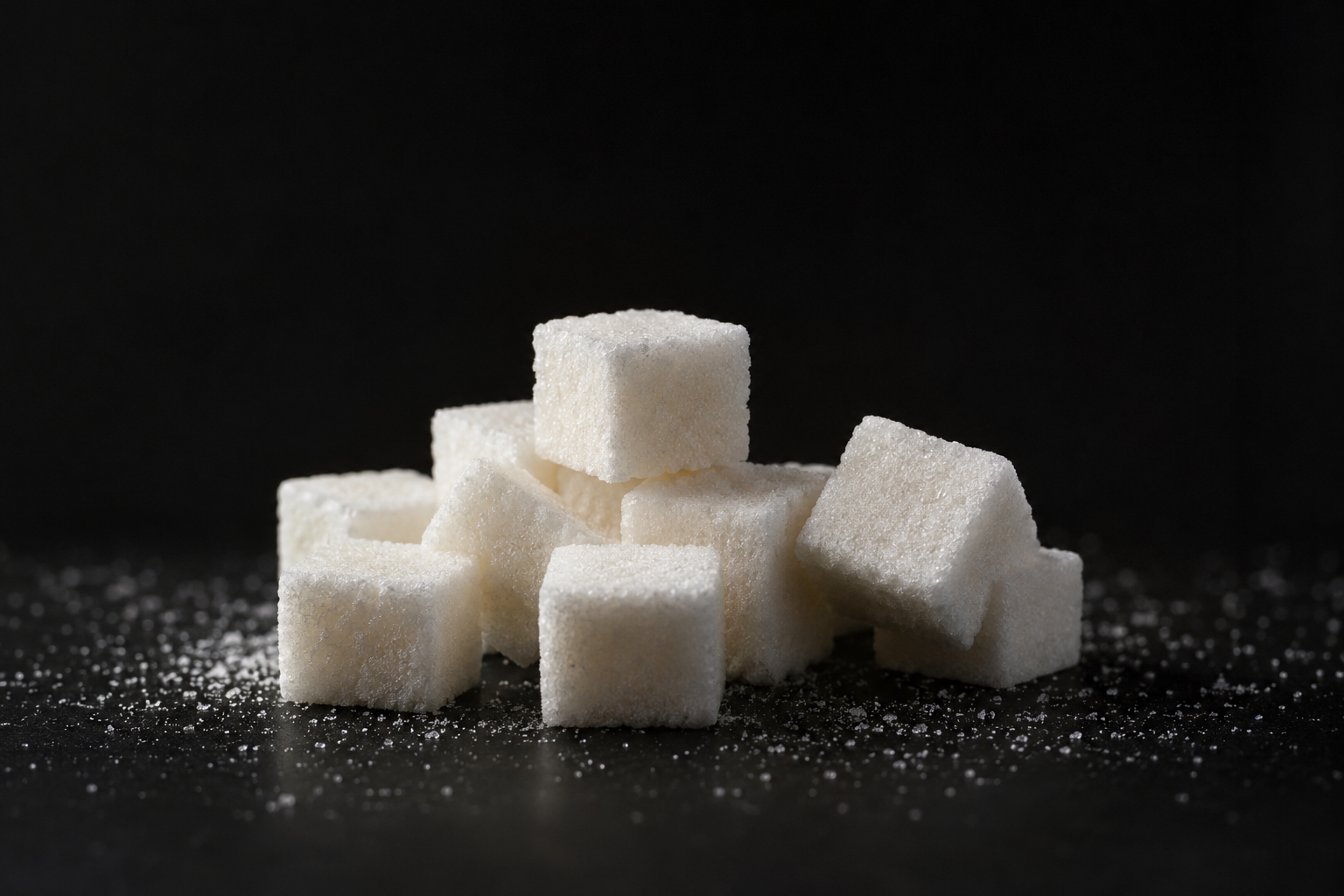
In the early 19th century, in what is now the Czech
Republic, then part of the Austrian Empire, an innovation
emerged that would transform the way sugar was consumed.
Jakub Kryštof Rad, director of the sugar factory in Dačice,
invented the sugar cube.
At that time, sugar was
sold in large conical forms known as homols. While elegant,
these sugar loaves were difficult and often unsafe to cut.
The inspiration for Rad’s invention is said to have come
from his wife, Juliana Radová, who injured her finger while
attempting to cut a sugar loaf during a tea gathering.
In
1841, Rad developed a press that compressed sugar into small
cubes, which were then dried before packaging. On 23 January
1843, he was granted an imperial privilege, a precursor to
modern patents.
As sugar production expanded across Europe, improving
extraction efficiency became a key challenge. Building on
earlier work by Karel Weinrich, Julius Robert introduced
diffusion as a controlled extraction process.
Using
the principle of osmosis, diffusion enabled more efficient
extraction of sugar from beet, significantly increasing
yield and process consistency. The method quickly spread and
became a foundation of modern sugar production.
In
1867, František Goller further improved the process by
developing specialised cutting knives, optimising the
preparation of beet for extraction.
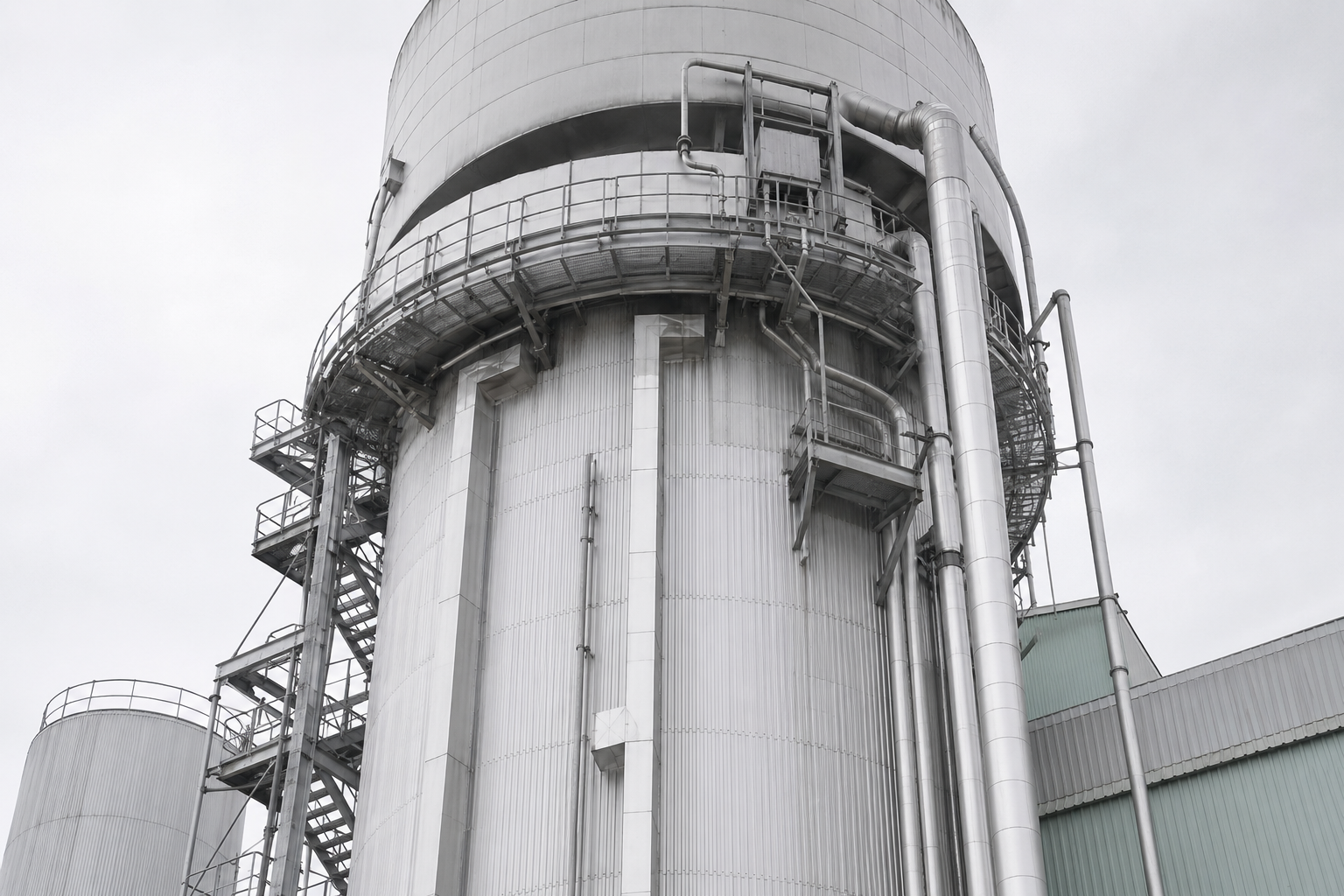
The Czech region has been at the forefront of sugar technology for nearly two centuries.
Josef Vašátko developed progressive preliming, improving
juice clarification and becoming a widely adopted approach
in sugar purification.
Progressive preliming was gradually adopted as the standard
method for raw juice clarification and remains a key
technique in modern sugar production.
Karel Josef Napoleon Balling developed one of the first
practical saccharometers, enabling accurate measurement of
sugar content and laying the foundation for process control
in sugar production.
Hugo Jellínek and Bedřich Frey introduced the combined
clarification and carbonation of beet juice, establishing a
process that remains central to sugar purification today.
Čeněk Daněk developed durable iron filterpresses, replacing
less reliable wooden designs and improving filtration
efficiency in industrial sugar production.
Gustav Hodek introduced the first washing system with
integrated stone removal, improving raw material preparation
and protecting downstream equipment.
